
Founded in 2010, Éveha International will soon be 15 years old. During these years, we have been able to apply our expertise in more than 30 countries, in about 80 projectS, with a total of almost 200 interventions.
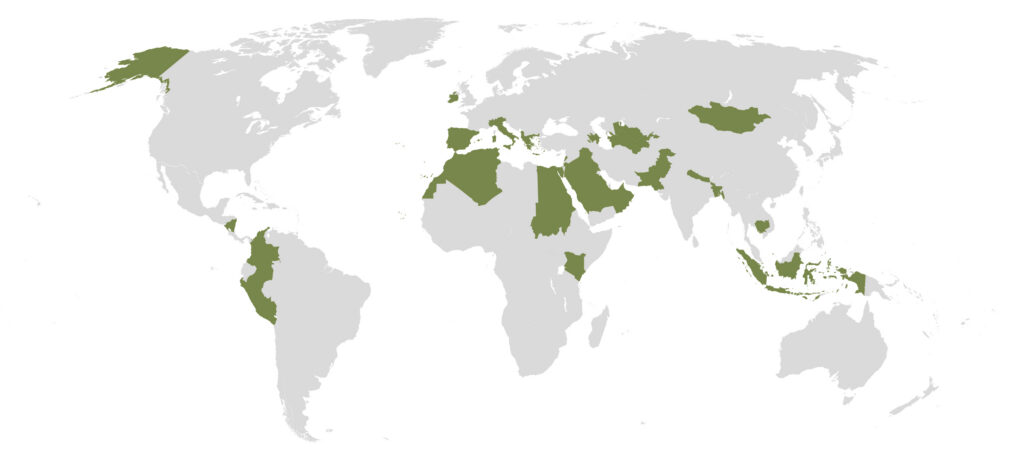
As you can see from this document, the sites are located in very different regions, between Europe, Asia, America and Africa, and are linked to very different cultures and periods.
Our areas of operation
Latest News
- Pegarinhos – 2024
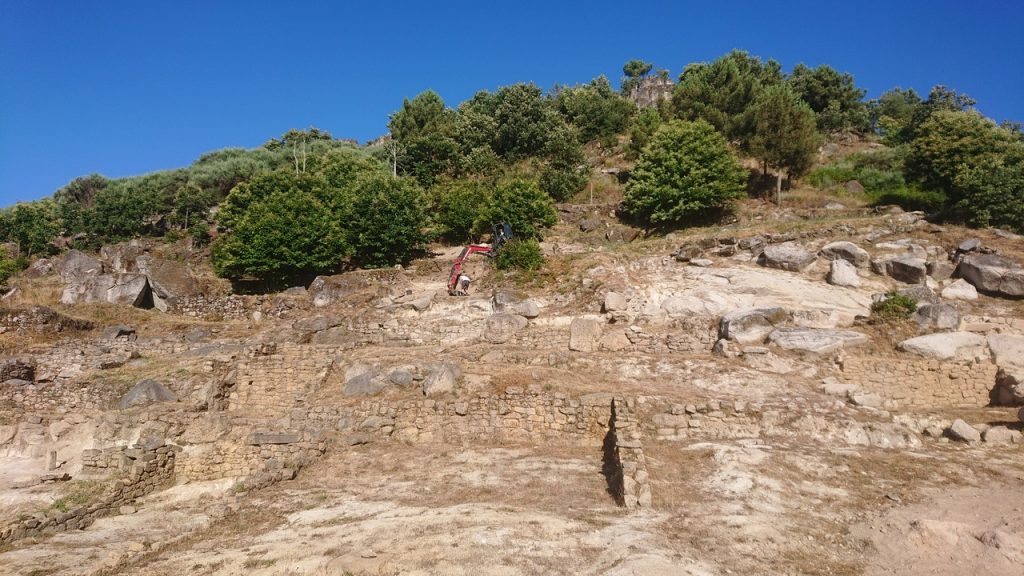 DirectionTony Silvino (Ville de Lyon – UMR 5138, Archéologie et Archéométrie)Pedro…
 - Qalhât Development Project – 2015
 DirectionAxelle Rougeulle (CNRS, UMR8167 – Orient et Méditerranée) How Eveha ParticipatesArchaeological…
 - Qalhât Project – 2016
 DirectionAxelle Rougeulle (CNRS, UMR8167 – Orient et Méditerranée) Participation d’ÉvehaFouille archéologique…
 - Lambaesis – 2011
 DirectionAïcha Malek (ENS) How Eveha ParticipatesTopography Location Algeria The 2011 season…
 - Gabii – 2013
 DirectionDaniel Roger (Louvre Museum, Curator)Charles-Édouard Sauvin (archaeologist and team supervisor)Aurora Taiuti (archaeologist, logistics…
 - Silla del Papa – 2024
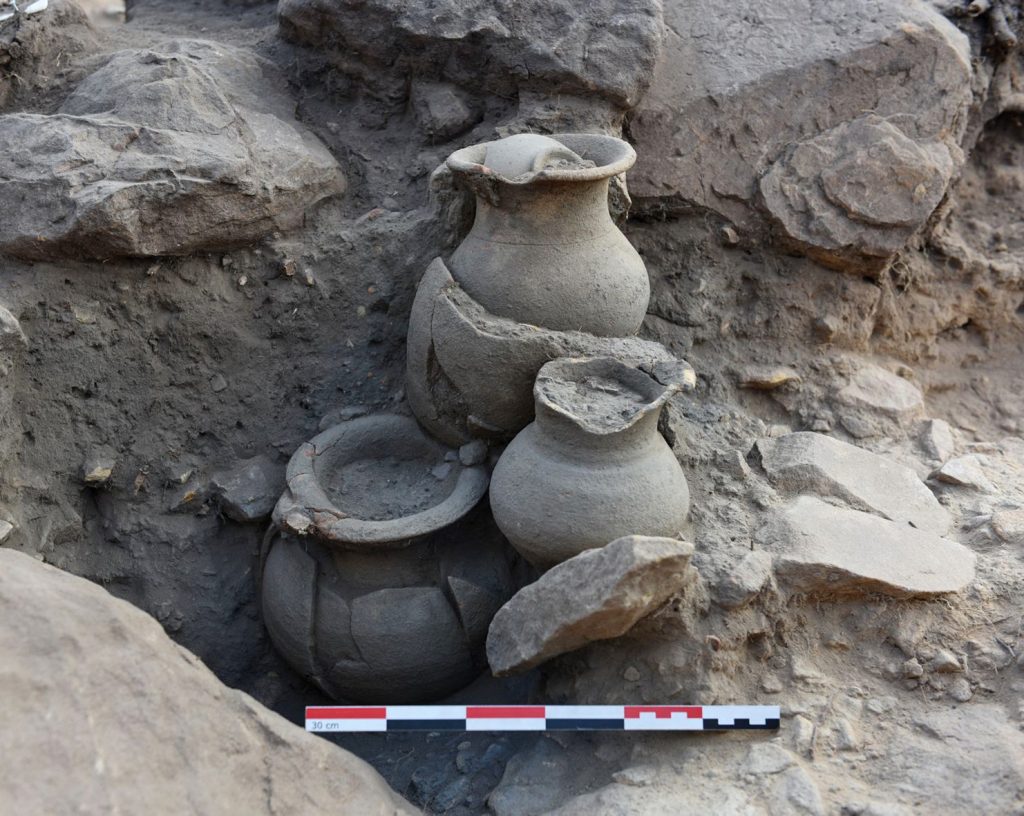 DirectionPierre Moret (UMR 5608 – TRACES)Jean-Marc Fabre (UMR 5608 – TRACES) How…
 - Qalhât Project – 2008
 DirectionAxelle Rougeulle (CNRS, UMR8167 – Orient et Méditerranée) How Eveha ParticipatesTopographyArchaeological…
 - Qalhât Project – 2009
 DirectionAxelle Rougeulle (CNRS, UMR8167 – Orient et Méditerranée) How Eveha ParticipatesArchaeological…
Our latest intervention sites
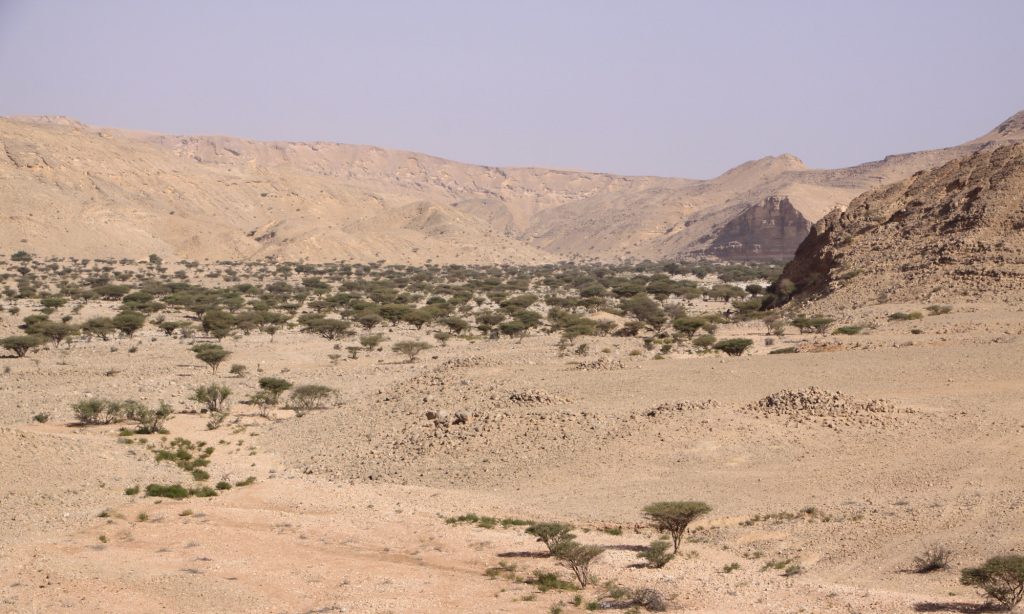
Oman
– Al Sharqiya –
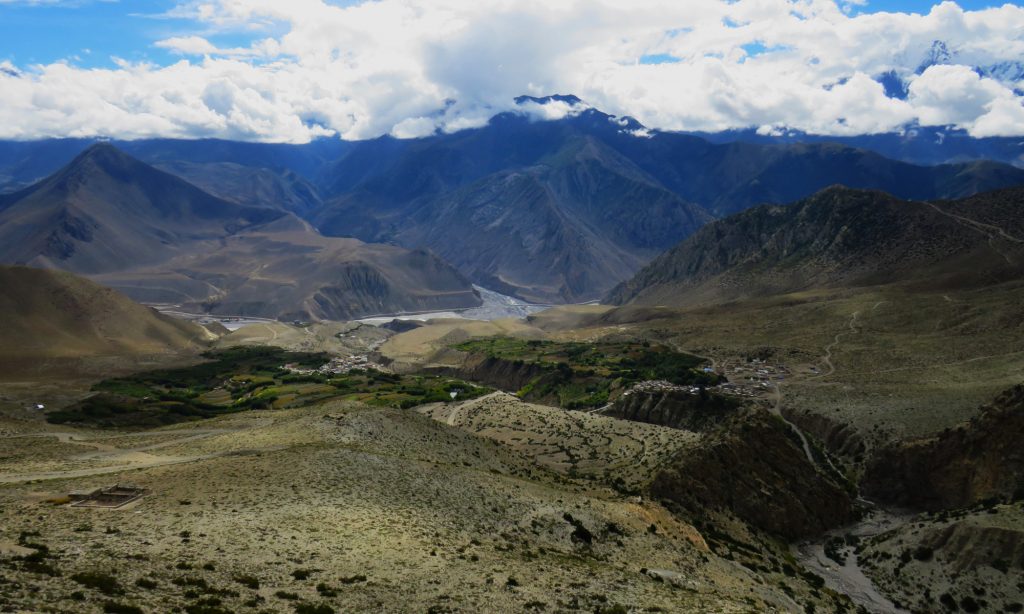
Nepal
– Mustang –
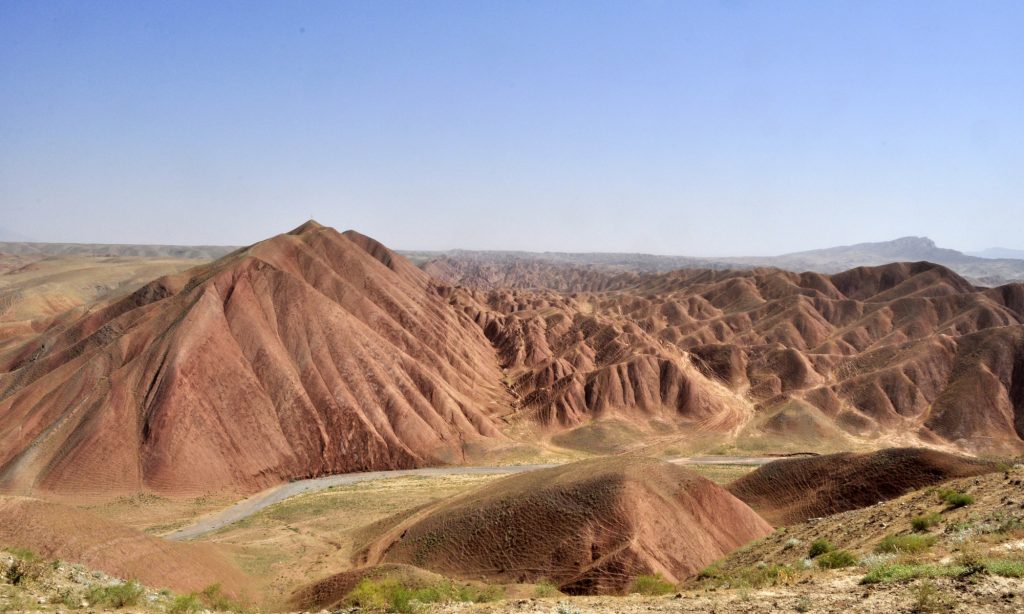
Ouzbekistan
– Kayrit –
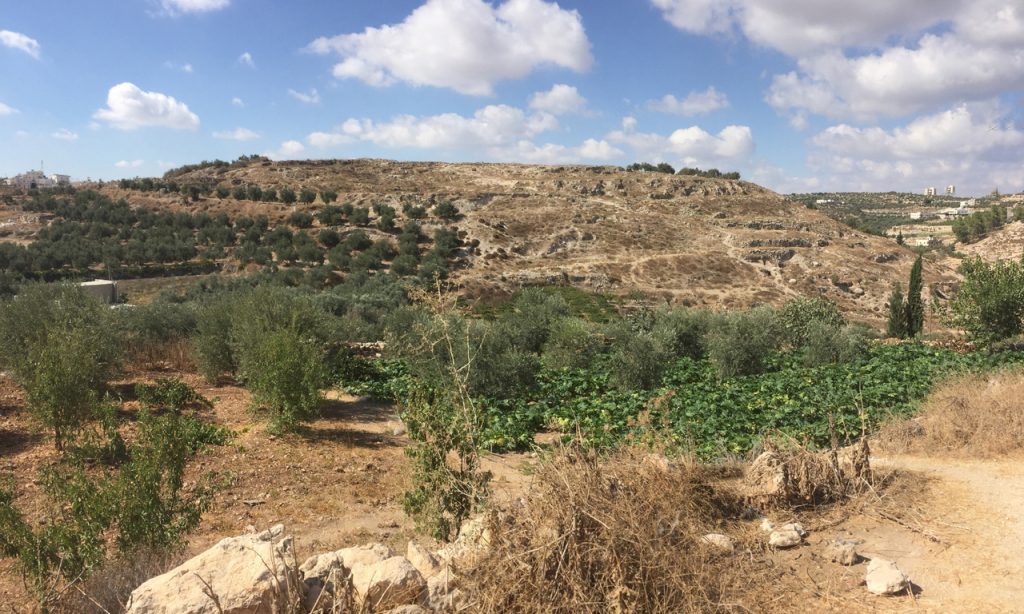
Palestinian territories
– Tell Keila –
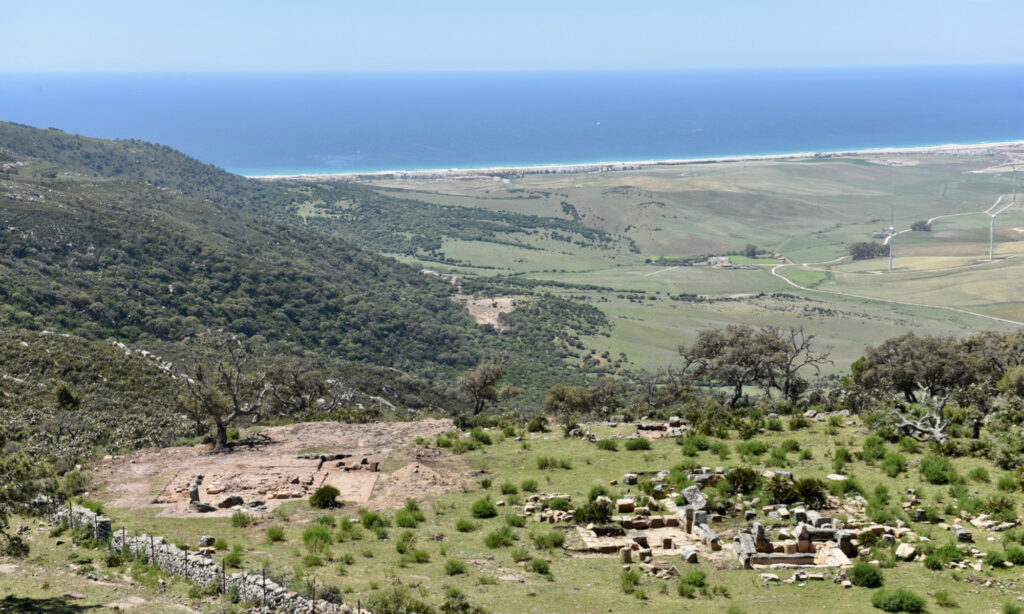
Spain
– Silla del Papa –

Sultanate of Oman
– Wadi Hasid –
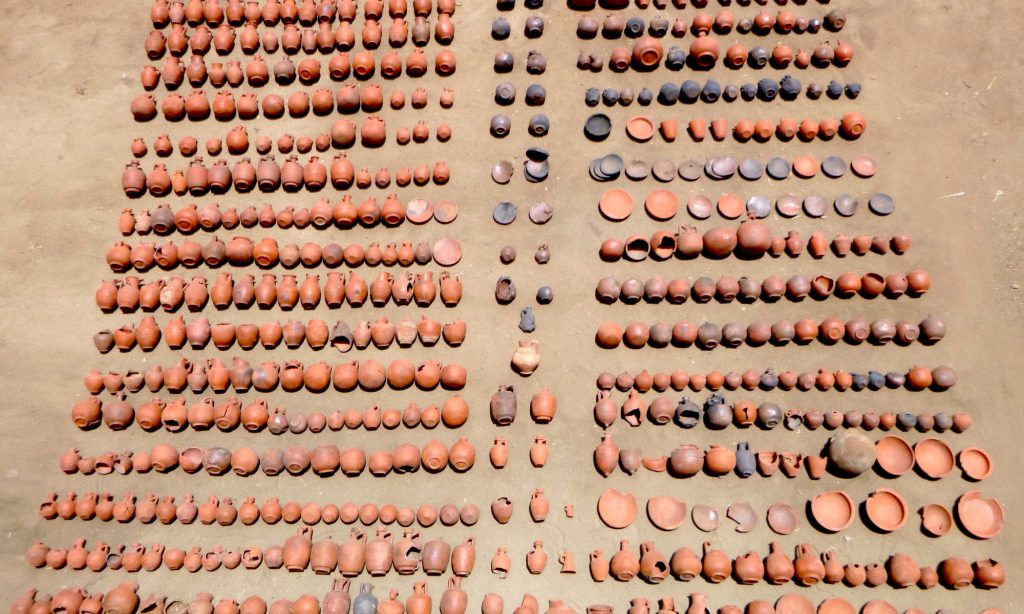
Egypt
– Bouto –
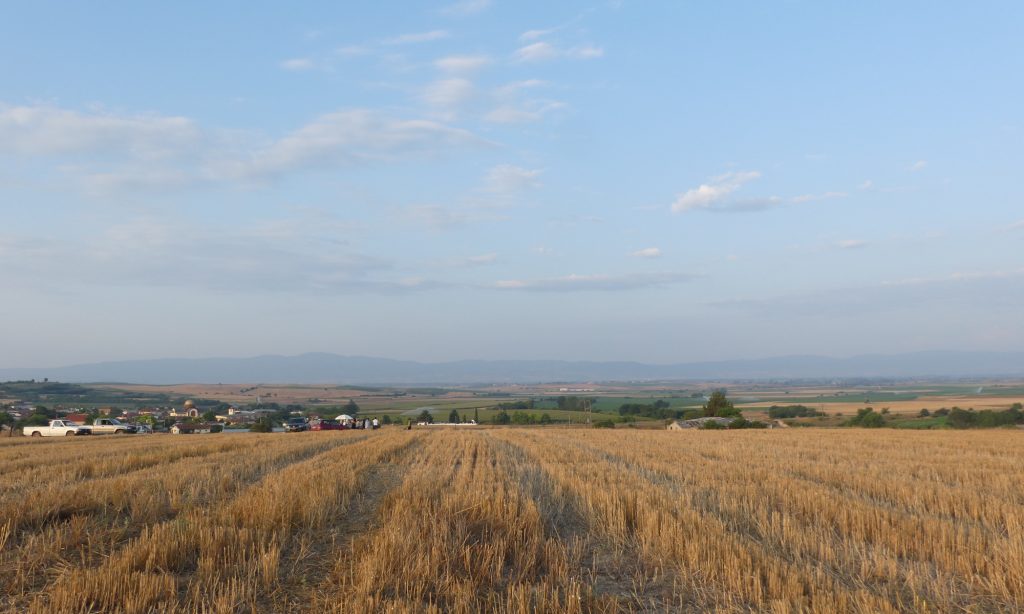
Greece
– Toumba Serron –