Spain
Silla del Papa

Pierre Moret

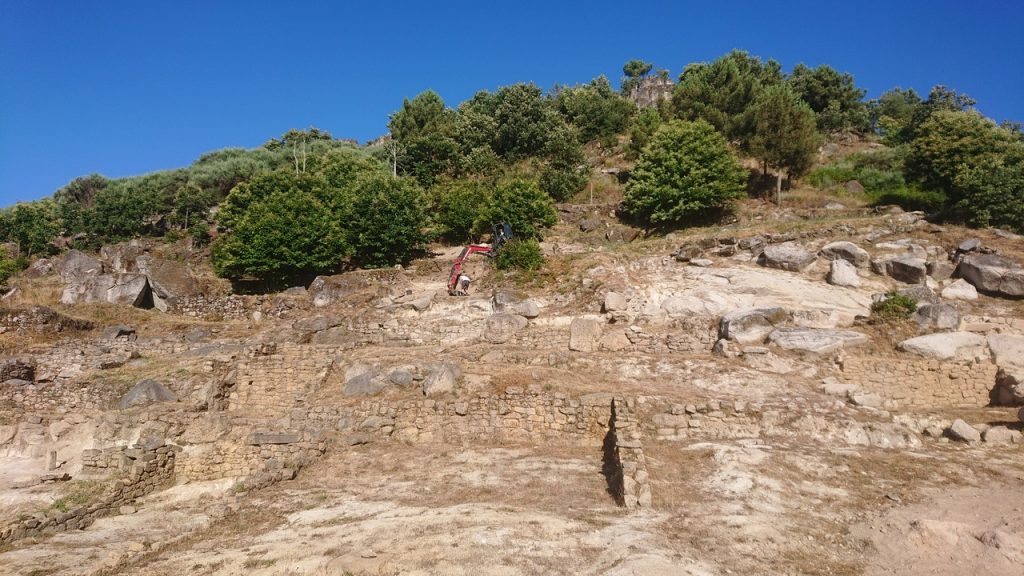
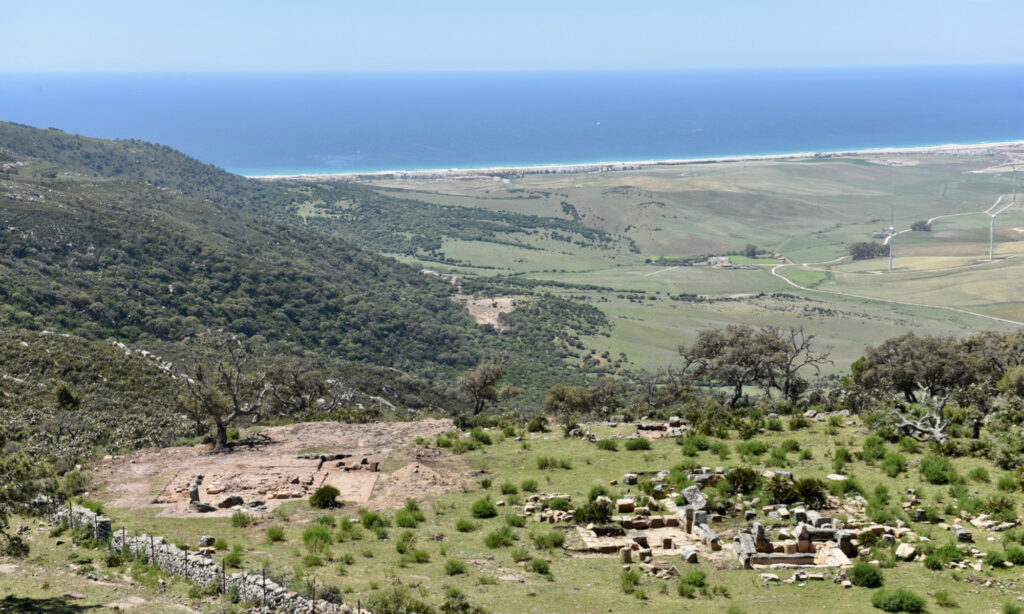
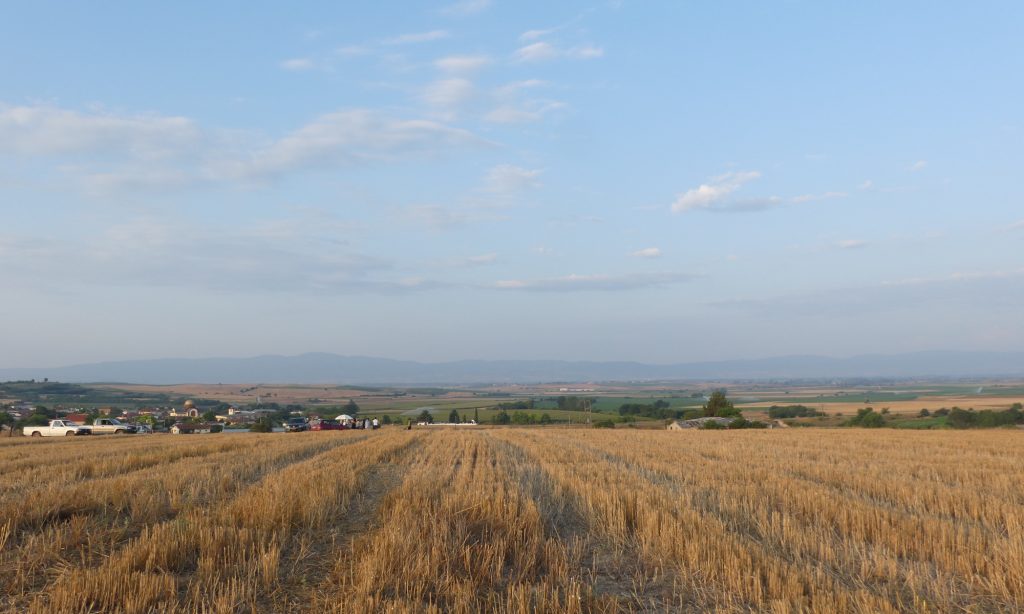
La Silla del Papa is a pre-Roman hilltop site northwest of Tarifa (Spain). The settlement was occupied throughout the Iron Age, before being abandoned around 20 BC. Since 2007, several excavation campaigns have been organized under the direction of Pierre Moret (UMR 5608-TRACES).

The excavation campaigns
(by years)


Direction

Pierre Moret (UMR 5608 – TRACES)
Jean-Marc Fabre (UMR 5608 – TRACES)

Location and historical summary

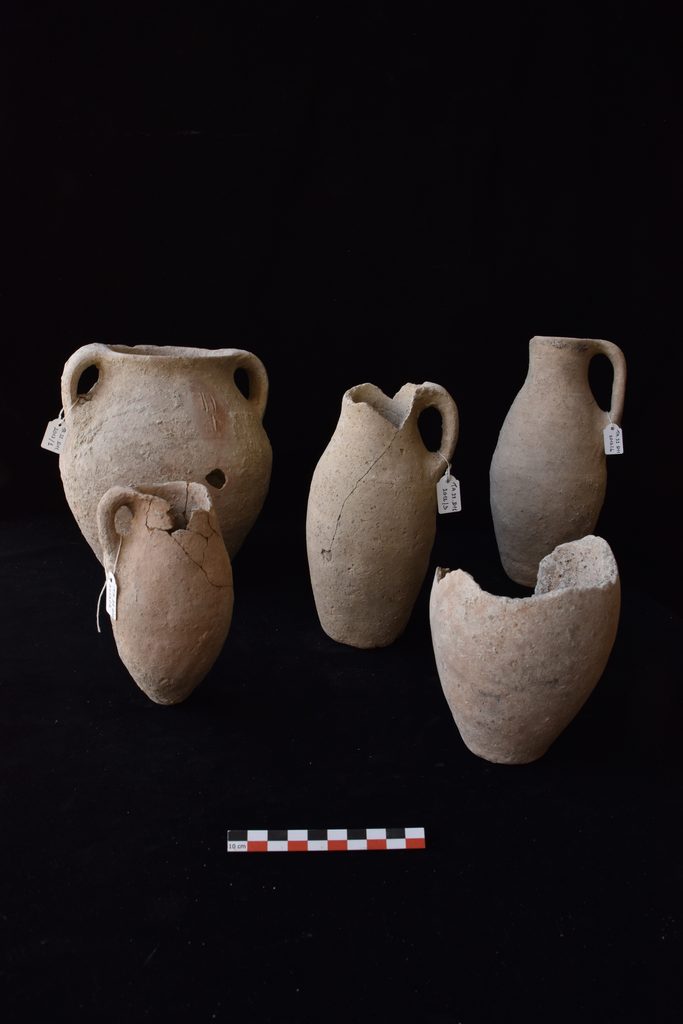
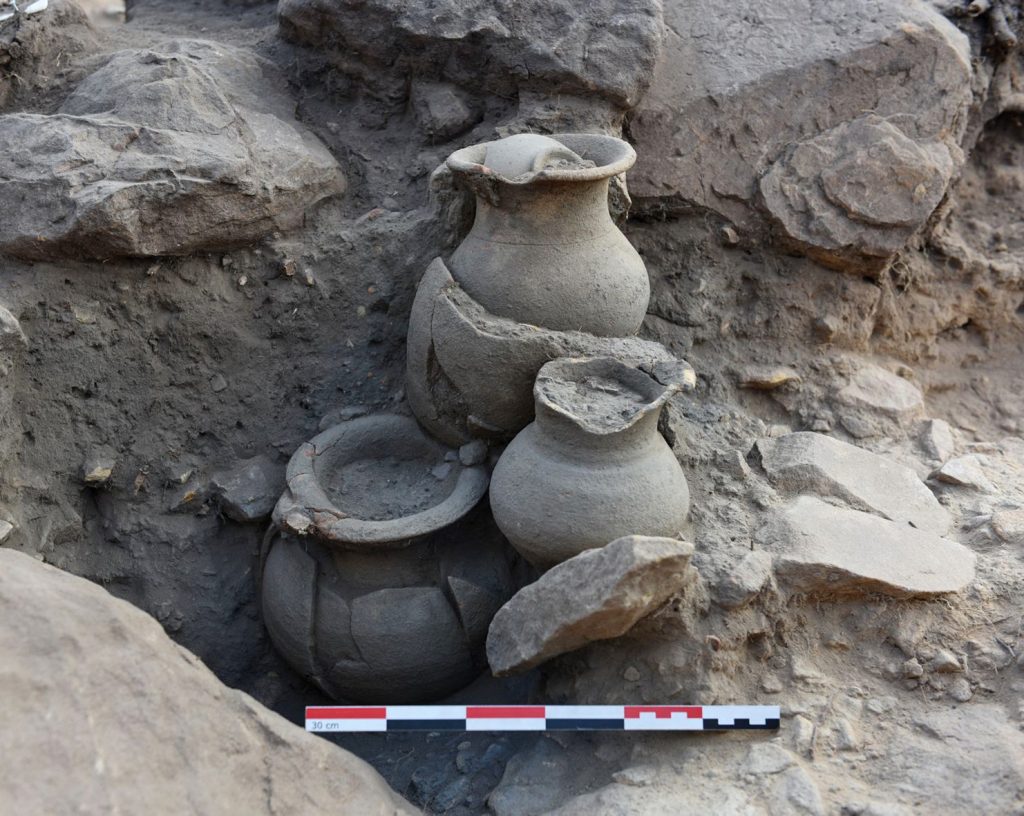
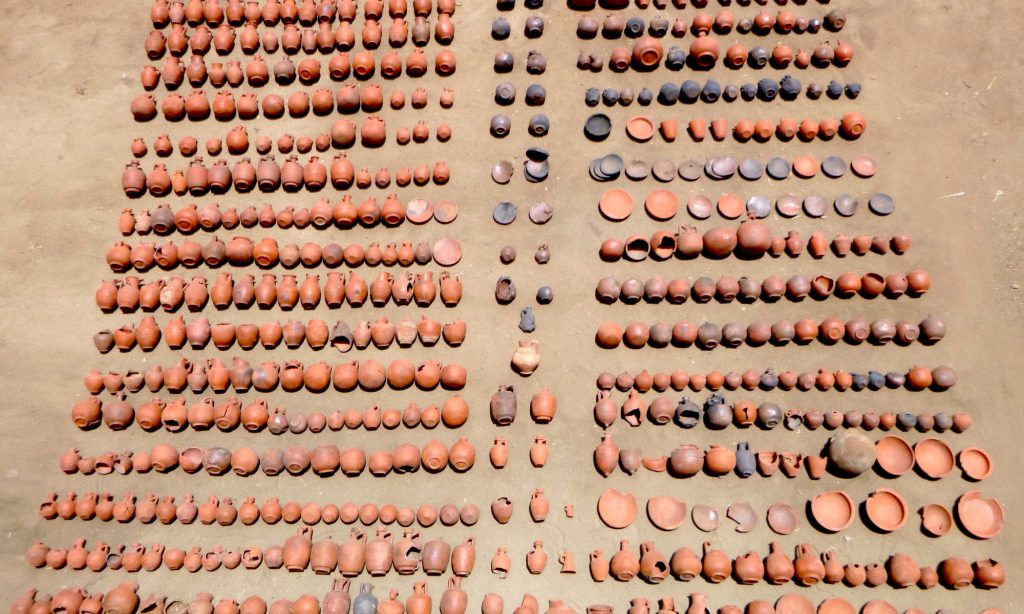
This key site on the northern shore of the Strait of Gibraltar, the oppidum of Bailo / La Silla del Papa, was occupied throughout the first millennium BC, until it was abandoned at the beginning of the reign of Augustus, when a new town, later named Baelo Claudia, was built on the coast. The archaeological site of La Silla del Papa lies 4 km from the coast, on the highest point of a small coastal range that constitutes one of the main control points of the strait to the west of Tarifa. The spatial organization of the ancient settlement is conditioned by the existence of two parallel rocky bars, oriented north-south, which delimit a narrow corridor 420 m long. Test pits have shown that the entire site was occupied from the First Iron Age onwards. Urban planning at La Silla del Papa is only well documented for the last phase of the site’s occupation, in the 2nd and 1st centuries BC. At that time, dense settlement was concentrated between the two ridge lines, which were completed and heightened by a fortified enclosure. However, the occupied zone extended beyond the city walls, covering some ten hectares in all. Outside the fortified settlement, two necropolises have been discovered and partially excavated, one to the south-west (Zone D), the other to the north-west (Zone J). Both have highly original features in common. The only function of the ashlar monuments uncovered was to serve as signposts. They do not contain graves: the burials, arranged around these monuments, consist of cinerary urns placed in the ground. Long after the site had been abandoned, a church was built during the High Middle Ages on the site of the south-western necropolis. Excavation of this church, abandoned as early as the 8th century AD, has enabled us to retrace the history of a Christian place of worship between the Visigothic and Emirate periods. The results of excavation campaigns at both necropolises have been published in a number of publications, including a summary monograph. As part of the collaboration between Éveha International and Pierre Moret’s team, amphorologist Max Luaces (Éveha) is involved in the study and publication of the site’s ceramic material.

History of research

The Silla del Papa site has been known since the early 20th century, but its archaeological exploration only began in 2007, with the establishment of the first research programs under the direction of Prof. Pierre Moret (UMR 5608-TRACES). Field operations gained momentum from 2014, thanks to support from the ANR (Franco-German ARCHEOSTRAITS program, 2014-2018), the French Ministry of Foreign Affairs, Casa de Velázquez, UMR TRACES 5608 (CNRS – University of Toulouse), the University of Alicante, the University of Seville and the Conjunto Arqueológico de Baelo Claudia. Since 2017, several excavation campaigns have focused on the two necropolises uncovered. These excavations have uncovered several funerary monuments, and above all numerous cinerary urns associated with these monuments.

How Eveha International Participates

Services for the study of ceramic and amphora artifacts Collaboration in the publication of the recent excavation results

PARTNERS

Conjunto arqueológico de Baelo Claudia
Casa de Velázquez
UMR 5608, Traces (CNRS – Université Toulouse Jean-Jaurès)
University of Alicante
University of Seville